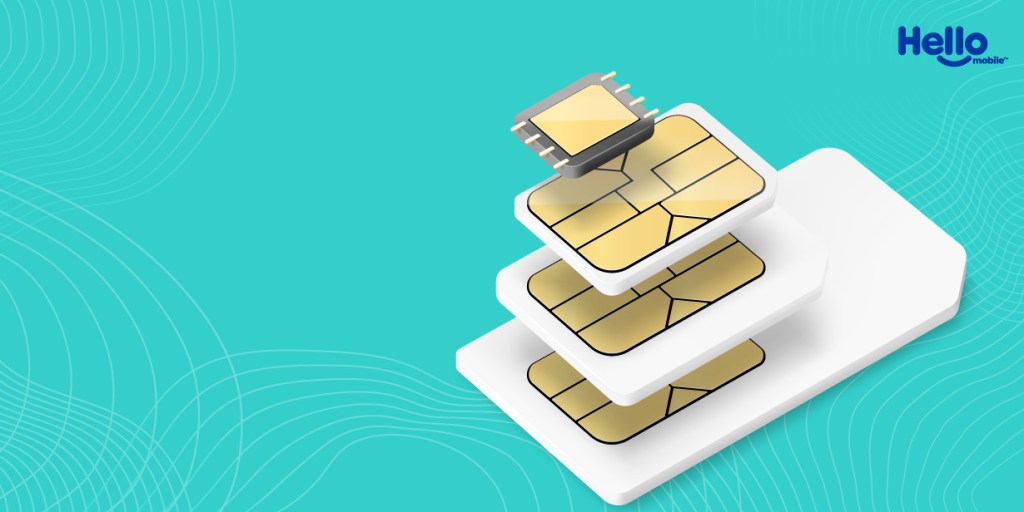
SIM cards had been round for many years, and most of us are familiar with those small chips inserted into our smartphones. SIMs offer reminiscence to store facts and specific IDs to attach our gadgets to mobile networks.
Also read : http://24roam.com
SIM cards were at the beginning designed for cellular telephones, however SIM sorts and sizes have advanced to fit the wide style of Internet of Things (IoT) gadgets, from smartwatches to industrial machines.
While mobile phone SIMs and IoT SIMs serve the identical motive, the latter is specially designed to deal with the numerous commercial enterprise applications, numerous records usage, precise community requirements, and scale and complexity of IoT gadgets. If you want to determine the first-rate size and kind of SIM in your device, we’ll percentage what to do not forget in the technique and deliver insights on how to overcome SIM-associated challenges with an experienced connectivity associate.
What is a SIM card?
SIM (Subscriber Identify Module) playing cards save a unique ID that permits gadgets to hook up with the cellular community, save records about a person or device, and send and acquire information. SIM cards are small chips in plastic casings that are available in various sizes or paperwork. Traditional or Consumer SIMs designed for telephones are specific to a single service, like Verizon or AT&T, and save statistics about the user, like voice and facts usage. This records is accessed by way of the provider to determine a telephone invoice. Consumer SIMs aren’t scalable, flexible, or durable sufficient for IoT devices, and they don’t account for the technical and economic enterprise models required to guide them.
What are IoT SIMs?
IoT SIMs, called Machine-to-Machine (M2M) SIMs, offer access to the community, save device and provider facts, and transfer records much like purchaser SIMs. However, they’re additionally able to helping IoT devices in a diffusion of programs, consisting of security cameras, fleet tracking, or affected person tracking gadgets. Rather than one individual needing one SIM card for one device, Original Equipment Manufacturers (OEMs) have to control hundreds of gadgets with unique statistics usage and insurance necessities. Often, IoT gadgets require multiple provider relationships or maybe everlasting roaming and ought to be long lasting sufficient to live to tell the tale in severe situations. With those needs of IoT devices in thoughts, IoT SIMs ought to
SIM card sizes
SIM playing cards are categorised by using size or Form Factor (FF). SIM shape factors decrease through the size of the plastic casing surrounding the SIM. Different shape factors are appropriate for distinctive packages with gadgets of different sizes. The Standard SIM is the original and the most important but is no longer utilized in contemporary devices. Today, smartphones normally use SIM cards two–three sizes smaller–the Micro-SIM or the Nano-SIM. Devices also have the choice to use a flexible Tri-Cut SIM card that is available in 2FF, 3FF, and 4FF form elements.
Standard SIM (1FF)
Size: eighty five.6mm × fifty three.98mm × zero.76 mm
This turned into the precursor to the varieties of SIM form factors we see these days. As more and more gadgets started to leverage cell connectivity, smaller form elements have been required and so the 1FF Standard SIM in large part fell out of use.
Mini-SIM (2FF)
Size: 25mm x 15mm x 0.76mm
Sample use case: Large devices–Vending machines, ATMs, automobiles
Micro-SIM (3FF)
Size: 15mm x 12mm x 0.76mm
Sample use case: Portable devices–Routers, GPS systems
Nano-SIM (4FF)
Size: 12.3mm × eight.8mm × zero.67mm
Sample use case: Compact devices–POS systems, smartwatches and also can be used in devices like routers.
Over time, smaller form factors have gained prominence across special varieties of gadgets as manufacturers retain to % extra computing energy into smaller areas, making products smaller, lighter, and greater value-powerful.
Embedded SIM (MFF2)
Size: 6mm × 5mm × 0.9mm
Sample use case: Outdoor, on-the-go devices–drones, fleet cameras
The Embedded SIM is the smallest and maximum long lasting SIM card and is a wonderful fit for lots IoT gadgets. IoT gadgets range wildly in length and layout in comparison to greater standardized cellphone or pill designs, so the embedded SIM form component presents advantages due to its size and the fact that there’s no need for a separate SIM slot that might otherwise take in valuable actual estate within a device. These SIMs are “embedded” whilst soldered into gadgets to bolster their sturdiness, making them appropriate for greater extreme environments too.
Specific kinds of IoT SIM playing cards
There are diverse forms of IoT SIM cards to be had, which aren’t necessarily interrelated, however you should keep in mind all of them before you decide on which SIM card to choose.
ESIMs
An eSIM will be one in all matters. It may want to check with the embedded SIM form aspect or eUICC (Embedded Universal Circuit Card) software. The first describes a SIM soldered into a device, and the second one is the software program that enables remote provisioning and control of SIMs with out requiring them to be swapped out. The software does no longer require a soldered SIM, comes in all form factors, and may be used for Consumer SIMs or M2M/IoT SIMs. When we speak eSIMs, we’re regarding the eUICC software program.
Every SIM card is prepared with a UICC (Universal Integrated Circuit Card) that makes it identifiable at the network, but in fashionable all SIM cards are associated with one network provider. This could restriction the global insurance and roaming abilties of a device if the single issuer does not have roaming agreements with different vendors.
On the opposite hand, an eSIM/eUICC lets in a SIM to interchange vendors and leverage exceptional roaming agreements. For example, Zipit gives SIMs for IoT with multiple network profile for worldwide insurance. One eUICC SIM card can connect with a couple of networks over the air without requiring get entry to to the device–this permits quicker tool deployment and rapid worldwide scalability.
 24
24 
Leave a comment